HUD has changed its requirements for HUD emergency call systems at certain elderly multifamily housing properties. On September 10, 2026, HUD issued Notice H 2026-06. The notice revises HUD’s Minimum Property Standards for Housing.
The change makes emergency call systems optional at certain elderly multifamily properties. However, the notice does not apply to every HUD-assisted multifamily property. Owners should first determine whether their property falls within the notice’s scope. They should also review other agreements or requirements before changing an existing system.
Key Takeaways
- Emergency call systems are now optional for certain elderly multifamily properties. HUD removed Section 100–2.20 from the Minimum Property Standards Handbook. The change applies to elderly multifamily projects with 20 or more units that are subject to HUD’s Minimum Property Standards.
- This does not apply to every Section 8 property. HUD states that Minimum Property Standards generally do not apply to uninsured properties with Section 8 HAP contracts, except Section 202/8 HAP contracts. Owners should confirm whether the notice applies to their specific property before making changes.
- HUD requires removing inoperable emergency call systems. Owners may continue to maintain an operable system. However, HUD specifically requires removal of inoperable pull-cord systems and other inoperable emergency call systems.
- Removing a working system requires advance tenant notice. If an owner chooses to remove an operable system, HUD says tenants must be notified in advance, and their comments must be considered. When no functioning system is available, HUD also encourages regular welfare checks, especially for residents living alone or with limited mobility.
HUD Emergency Call Systems: What Changed?
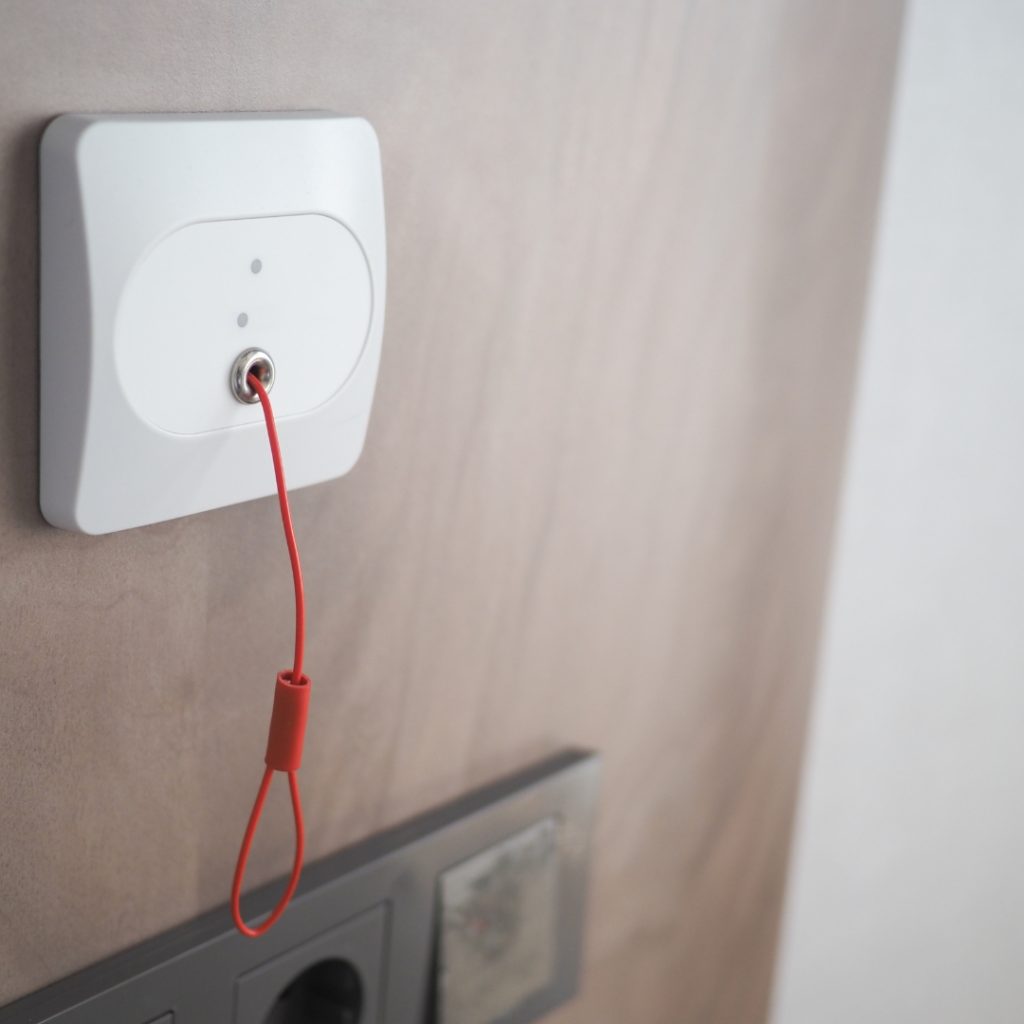
HUD removed Section 100-2.20 from the 1994 Minimum Property Standards Handbook. Previously, that section required certain elderly properties with 20 or more units to maintain an emergency call system. The system had to be available in each bathroom and at one bed location within each living unit. Historically, many properties met that requirement through pull cords. However, technology has changed significantly since HUD established the requirement. Wireless devices and other electronic emergency alert systems now provide additional options.
HUD also acknowledged several challenges associated with older systems. For example, owners may face high costs to repair or replace aging pull-cord equipment. Inoperable systems may also create safety concerns. Additionally, HUD notes that malfunctioning systems may result in inspection findings.
Some owners have also experienced insurance challenges related to emergency call systems. Therefore, HUD revised its policy and removed the specific emergency call system requirement from the Minimum Property Standards. Still, owners should not assume that every multifamily property can now remove its system.
HUD Emergency Call Systems: Which Properties Are Covered?
Applicability is one of the most important parts of Notice H 2026-06. The notice applies to elderly multifamily housing projects with at least 20 units that are subject to HUD’s Minimum Property Standards. HUD identifies properties constructed under HUD mortgage insurance and certain Section 202 elderly housing projects.
Importantly, HUD also clarifies the treatment of Section 8 properties. The notice states that the Minimum Property Standards generally do not apply to uninsured projects with Section 8 Housing Assistance Payments contracts. However, Section 202/8 HAP contracts are an exception.
Therefore, PBRA owners should not interpret this notice as a universal change affecting every project-based Section 8 property. Instead, owners should confirm which HUD requirements govern their individual property.
There is another potential consideration. Some properties may have emergency call system requirements contained in a separate HUD business agreement. HUD provides a process for those situations. An owner may request an amendment to the agreement to remove the requirement under the revised policy.
However, the notice itself does not automatically amend those agreements. That makes a property-level review important before removing or discontinuing any equipment.
What Owners Should Review Before Making Changes
Owners with properties covered by the notice now have more flexibility. However, flexibility does not mean existing systems should simply disappear overnight.
HUD makes an important distinction between operable and inoperable systems. Owners may continue providing and maintaining an operable emergency call system. HUD does not require owners to remove a functioning system simply because the underlying MPS requirement has changed.
Conversely, HUD says owners should remove inoperable pull cords or other inoperable emergency call systems. An unusable emergency system can create the appearance of protection without providing actual assistance. Owners considering removal of a working system have an additional responsibility. HUD says tenants must receive advance notice.
Owners must also consider resident comments before removing the system. Therefore, communication with them should become part of the planning process.
Owners may also want to consider how residents currently use the system. That review may be especially important at properties serving residents with mobility limitations or other support needs.
HUD also encourages regular welfare checks when a functioning emergency call system is unavailable. The notice specifically highlights residents who live alone or have limited mobility.
Before changing a system, owners should consider reviewing:
- Whether Notice H 2026-06 applies to the property.
- The property’s HUD program and financing structure.
- Any regulatory agreements, grant agreements, contracts, or other HUD requirements.
- Whether the existing system is operable.
- Current inspection considerations.
- Resident notification procedures.
- How tenant comments will be received and considered.
- Property procedures for resident welfare checks.
- Insurance requirements or concerns related to the system.
Owners should also document their review and any decisions made. Property-specific questions may require discussion with HUD, your contract administrator, compliance staff, or other appropriate professionals.
What Comes Next for Multifamily Owners?
Notice H 2026-06 is effective until HUD amends, rescinds, or supersedes it. For applicable properties, the notice creates greater flexibility around emergency call technology. However, the most important first step is determining whether that flexibility applies. Owners should avoid treating the notice as permission to remove emergency systems from every HUD-assisted elderly property.
Instead, review the property’s governing requirements first. If the system is operational, consider the resident communication requirements before making changes. If it is inoperable, review HUD’s direction regarding removal.
Finally, consider what resident support procedures may be appropriate if the property will no longer have a functioning emergency call system. HUD’s change recognizes that technology and property operations have evolved. For owners, the next step is making sure property policies evolve carefully with them.
Review HUD Notice H 2026-06 for the complete requirements and applicability provisions.
For additional inspection information, owners and agents can also visit Navigate’s NSPIRE resources. Navigate provides tools and information to help owners understand HUD physical inspection requirements.