
Tuesday Tip

When a tenant damages something in their unit, who pays for the repair or replacement?
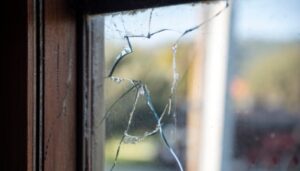
HUD allows owners and agents to bill tenants for certain damages. However, tenant damage charges must account for the cause of the damage, the item’s remaining useful life, and the cost of repairs.
Before sending a bill, owners need to understand what qualifies as chargeable damage and how to calculate the amount correctly.
This week’s Tuesday Tip explains the process.
What Qualifies as Chargeable Tenant Damage?
HUD permits owners and agents to charge tenants for damage caused by carelessness, misuse, or neglect. This includes damage caused by household members or visitors.
However, normal wear and tear is not chargeable. Neither are replacements that were already necessary because an item had reached the end of its expected useful life.
For example, suppose a refrigerator has an expected useful life of 10 years. If it is 17 years old when damaged, the owner cannot charge the tenant for replacing it under the useful-life calculation discussed in this week’s tip.
The refrigerator was already beyond its expected lifespan.
Before billing a tenant, determine whether the damage qualifies for a charge and whether the item had any useful life remaining.
How to Calculate Tenant Damage Charges?
When damage requires replacement, owners must consider the item’s estimated useful life (EUL).
Useful life is the period a component is expected to last before replacement becomes necessary.
Owners can reference several resources when determining useful life:
- HUD’s CNA e-Tool.
- Appendix 5D of HUD’s Special Claims Processing Guide.
- Manufacturer documentation supporting the component’s expected lifespan.
If you use manufacturer guidance, keep a copy. You must be able to justify the useful-life estimate, particularly when submitting a special claim.
Example: Prorating the Cost of Damaged Carpet
Suppose a tenant damages carpet that must be replaced.
The carpet has a six-year expected useful life, but it is only two years old.
Here’s how the calculation works:
| Item | Amount |
|---|---|
| Replacement cost | $4,000 |
| Expected useful life | 6 years |
| Carpet age | 2 years |
| Remaining useful life | 4 years |
| Tenant’s prorated charge | $2,666.67 |
Because the carpet has four years of useful life remaining, the tenant’s share is two-thirds of the replacement cost.
$4,000 × (4 ÷ 6) = $2,666.67
Therefore, the tenant would be charged $2,666.67 rather than the full replacement cost, assuming the damage is chargeable.
What If Maintenance Completes the Repair?
Owners must also calculate charges accurately when in-house maintenance staff performs repairs.
Instead of charging a flat service-call fee, use the cost of the replacement component and the actual labor involved.
For example, consider a damaged lock that maintenance must replace.
| Expense | Cost |
|---|---|
| Replacement lock | $75.00 |
| Maintenance hourly rate | $41.00 |
| Time spent on repair | 1.25 hours |
| Labor cost | $51.25 |
| Total calculated cost | $126.25 |
In this example, the calculated repair cost is $126.25, before any applicable useful-life adjustment.
Keep records supporting the part cost, hourly labor rate, and time spent completing the repair.
What Documentation Does HUD Require?
Once an owner determines that damage is chargeable, the next step is documenting and communicating the amount owed.
The process differs depending on whether the tenant still occupies the unit or has moved out.
During Tenancy
When billing a current tenant, owners should:
- Provide written notice of the charge.
- Explain how the amount was calculated.
- Establish a payment deadline.
- Accept payment plans that meet HUD requirements.
- Maintain supporting records.
The tenant should understand exactly what they are being charged for and how the owner arrived at that amount.
At Move-Out
When a tenant moves out, allowable damage charges are addressed through the security deposit process.
Owners should document any amount withheld from the deposit and provide a written demand for any remaining balance.
Additionally, owners pursuing a special claim must maintain records of their collection efforts.
Supporting documentation should include the damage charges, calculations, security deposit deductions, tenant billing, and applicable collection efforts.
These records help establish that the charges are justified and that the owner followed the required process.
How Can Owners Prevent Tenant Damages?
Accurate billing matters, but preventing avoidable damage is just as important.
A proactive approach starts with clear expectations and continues throughout the tenancy.
Set expectations at move-in. Review the lease, house rules, and property care requirements during tenant orientation. Make sure residents understand their responsibilities and document those conversations.
Inspect units regularly. Annual or scheduled inspections can help identify damage before it becomes a larger problem. Document concerns and establish a plan to address them.
Respond promptly to reports. When staff or residents report possible damage, follow up. Remember to provide proper notice before entering an occupied unit unless an emergency permits otherwise.
Address chargeable damage when discovered. Document the issue, calculate allowable charges, and communicate them promptly rather than waiting until move-out.
Connect residents with support when appropriate. If a resident is struggling to meet lease requirements, a Resident Services Coordinator may be able to help.
Property managers should focus on lease compliance rather than attempting to diagnose medical or mental-health conditions.
Ultimately, the goal is to address problems early, help residents meet their responsibilities, and support successful tenancies.
Frequently Asked Questions
Can owners charge tenants for normal wear and tear?
No. HUD distinguishes normal wear and tear from damage caused by carelessness, misuse, or neglect. Owners should make that distinction before assessing charges.
How do you prorate tenant damage charges?
Determine the item’s expected useful life and how much of that life remained when the damage occurred. Then, calculate the tenant’s share of the replacement cost based on the remaining useful life.
Can owners charge for maintenance labor?
Yes, when the repair qualifies as chargeable and the labor cost is properly supported. Charges should reflect the applicable hourly rate and actual time spent, not an unsupported flat service fee.
What documentation is needed for a HUD Special Claim?
Owners should retain records of the damage, charge calculations, security deposit deductions, written billing notices, and required collection efforts.