For Multifamily owners and management agents subject to NSPIRE, October 1, 2026, marks an important change in inspection scoring.
Beginning on October 1, HUD will include deficiencies under certain new affirmative requirements when calculating NSPIRE inspection scores. HUD previously delayed scoring these requirements to give properties more time to comply.
That makes now an important time to review the six areas HUD specifically identifies.
1. Fire Labeled Doors
HUD includes all defects under the Fire Labeled Door standard, in all applicable locations, among the new affirmative requirements subject to the scoring change.
Owners and maintenance teams should review the applicable NSPIRE Fire Labeled Door standard rather than assuming that a door is compliant simply because it closes or appears operational.
2. GFCI Protection
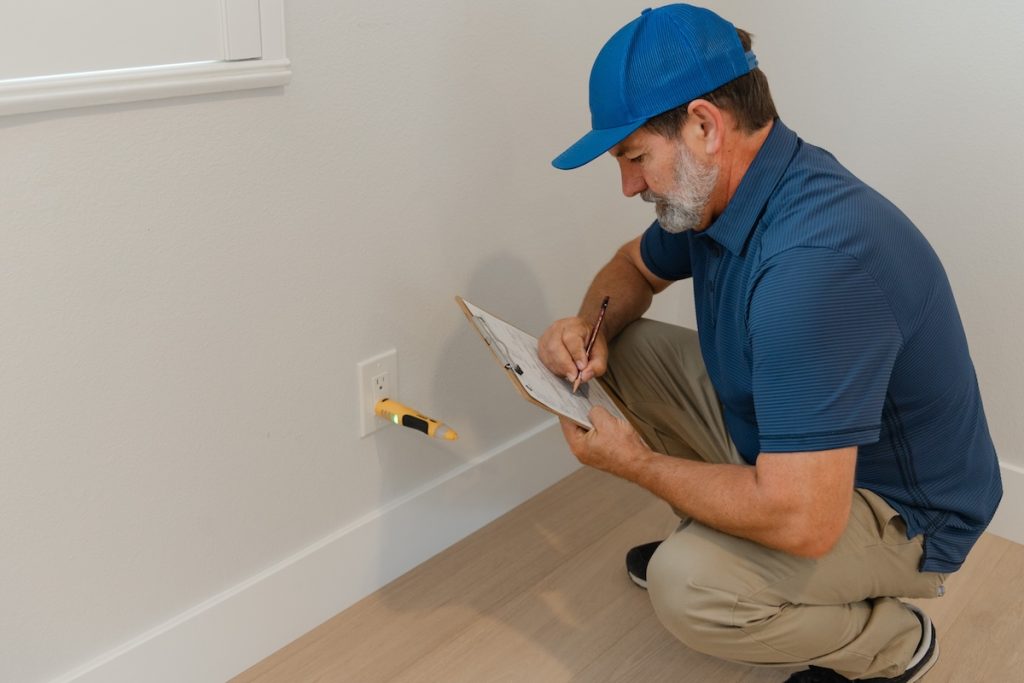
Under the affirmative requirement identified in HUD’s 2025 notice, a deficiency exists when an unprotected outlet is present within six feet of a water source. The requirement applies in all applicable inspectable locations.
That makes electrical protection near water sources an important part of pre-inspection property reviews.
3. Guardrails
HUD includes all Guardrail defects in all applicable locations among the affirmative requirements covered by the October 1 scoring change.
Because the Guardrail standard can apply to Unit, Inside, and Outside areas, teams should consider the property broadly rather than limiting their review to dwelling units.
4. HVAC
HVAC affirmative requirements vary by time of year.
For inspections between October 1 and March 31, HUD identifies deficiencies involving permanently installed heating sources and interior temperatures below specified thresholds. From April 1 through September 30, the affirmative requirement addresses a permanently installed heating source that is damaged, inoperable, missing, or not installed.
Owners should consult the full NSPIRE HVAC standard for the applicable deficiency criteria and severity classifications.
5. Interior Lighting
HUD identifies an interior lighting deficiency when at least one permanently installed light fixture is missing in the kitchen or bathroom. This is a good example of why NSPIRE preparation should focus not only on whether equipment is broken, but also on whether required property attributes are present.
6. Minimum Electrical and Lighting
For habitable rooms, HUD’s affirmative requirement addresses whether there are sufficient working outlets or a combination of an outlet and permanently installed lighting.
Specifically, the requirement calls for at least two working outlets in each habitable room, or at least one working outlet and one permanently installed light fixture.
Don’t wait for the inspection to identify these conditions
HUD’s NSPIRE model emphasizes health, safety, and functional conditions, and HUD describes the model as supporting year-round maintenance practices rather than inspection-only preparation.
For owners and agents, that means the October 1 change is a good reason to review property procedures now: confirm that maintenance teams know the affirmative requirements, incorporate them into routine property reviews, document corrective work, and consult the individual NSPIRE standards when questions arise.
And remember: these deficiencies have not been invisible during the scoring delay. HUD’s guidance says they continue to be cited during NSPIRE inspections and must be mitigated within the appropriate timeframe based on severity. Beginning October 1, they can also affect the inspection score.
Navigate will continue tracking NSPIRE developments and translating HUD guidance into practical information for affordable housing professionals. You can review HUD’s NSPIRE Standards here.