Tuesday Tip

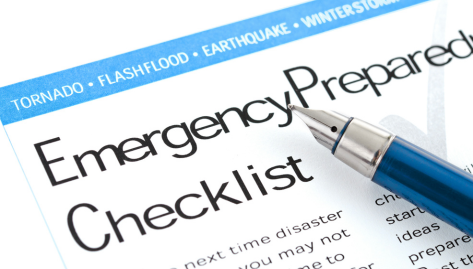
Emergencies rarely happen exactly as planned. However, a strong multifamily emergency preparedness plan can give property teams clear direction when severe weather, power outages, fires, flooding, or other emergencies occur.
Severe weather is not the only risk to consider. Properties may also face contamination, crime, extended utility outages, or other unexpected situations. Therefore, emergency planning should reflect the risks that could affect your specific property and community.
The goal is simple: make sure staff and residents know what to do when an emergency occurs.
Make Your Emergency Plan Property-Specific
A template can help you get started. However, it should not be the finished plan.
Your emergency plan should reflect the actual property, including its staff, building systems, local resources, and potential risks. In addition, the plan should be in writing and easy for appropriate staff to access.
Consider whether your plan clearly identifies:
- Staff roles and responsibilities
- Local emergency contacts and community resources
- Evacuation routes and nearby shelters
- Building systems that may need to be shut down
- Procedures for communicating with residents and families
- A designated media contact
- Steps for coordinating with local emergency services
Ultimately, a property-specific plan can provide clearer direction when staff need it most.
Establish Clear Communication Before an Emergency
Communication can become especially difficult during a fast-moving emergency. Residents, family members, staff, emergency responders, and others may all need information.
For that reason, establish communication responsibilities before an emergency occurs. Identify who will communicate with residents and families, who will respond to media inquiries, and how staff will receive updates.
Most importantly, communication should remain consistent. Conflicting information can add confusion during an already stressful situation. As conditions change, staff should communicate frequently so everyone is working from the same information.
Put Safety First
Your first priority during an emergency is keeping people safe.
Staff and residents should know relevant evacuation routes and where local shelters are located. Property teams should also understand how their evacuation procedures coordinate with instructions from local authorities.
In addition, consider how residents can communicate assistance they may need during an emergency. Avoid making assumptions about an individual’s abilities or limitations. Instead, your planning process can provide a way for residents to identify their own assistance needs to emergency responders when appropriate.
Plan to Protect the Property
Once immediate safety needs are addressed, your emergency plan should identify steps for limiting damage to the property and its systems.
Depending on the property and local risks, that could include knowing when building systems need to be shut down, securing outdoor furniture before high winds, understanding how to obtain sandbags when flooding is possible, or taking other appropriate protective measures.
Meanwhile, coordinate these procedures with company requirements and guidance from local authorities and emergency services.
Coordinate, Train, and Communicate
Do not wait for an emergency to introduce your property to local responders.
Talk with local emergency management officials, fire departments, EMS, and other appropriate agencies about their procedures and recommendations. For example, ask whether there are local processes your property should know about when planning for residents who may need additional assistance.
Your staff also needs to understand the plan. Regular training can help employees know their responsibilities before an emergency begins.
Likewise, residents should receive clear information about what they should do. Depending on the property, that might include printed instructions, information posted in an easy-to-find location, or an annual safety meeting.
The method can vary. The important part is making sure people know what to do.
Have a Plan B
Finally, remember that emergencies change.
Roads may close. Power may fail. Resources may become unavailable. Instructions from local authorities may change as conditions develop.
Therefore, your multifamily emergency preparedness plan should leave room to adapt. If Plan A no longer works, your team should be prepared to pivot.
A good emergency plan provides structure. A strong one also prepares your team to adjust when circumstances demand it.
Review Your Emergency Plan Before You Need It
Don’t wait for an emergency to discover gaps in your plan.
Review your current procedures now. Confirm that contact information is current, staff understand their responsibilities, local resources are identified, residents know where to find important information, and your plan reflects the risks and systems at your property.
For additional planning information, the Tuesday Tip recommends resources from Ready.gov, the American Red Cross, and HUD’s Multifamily Disaster Preparedness resources.
Frequently Asked Questions About Multifamily Emergency Preparedness
What Should My Multifamily Emergency Preparedness Plan Include?
A multifamily emergency preparedness plan should identify property-specific risks, staff responsibilities, communication procedures, evacuation information, local emergency contacts, relevant building systems, and procedures for coordinating with local authorities.
Should Every Property Have its Own Emergency Transfer Plan?
An emergency plan should reflect the specific property. While a company template can provide a starting point, the plan should account for the property’s building systems, staff roles, community resources, local risks, and emergency contacts.
How Should Apartment Communities Communicate During an Emergency?
Establish communication responsibilities before an emergency. Staff should know who communicates with residents and families, who handles media inquiries, and how updated information will be shared. Consistent communication becomes especially important as conditions change.
How Often Should I Review My Plan?
The Tuesday Tip does not establish a specific review schedule. However, staff should be regularly trained, and plans should be practiced as needed. Owners and agents should also consider company requirements and guidance from local
Where Can I Find Emergency Preparedness Plan Resources?
Ready.gov, the American Red Cross, and HUD’s Multifamily Disaster Preparedness resources can provide additional information for property teams and residents.