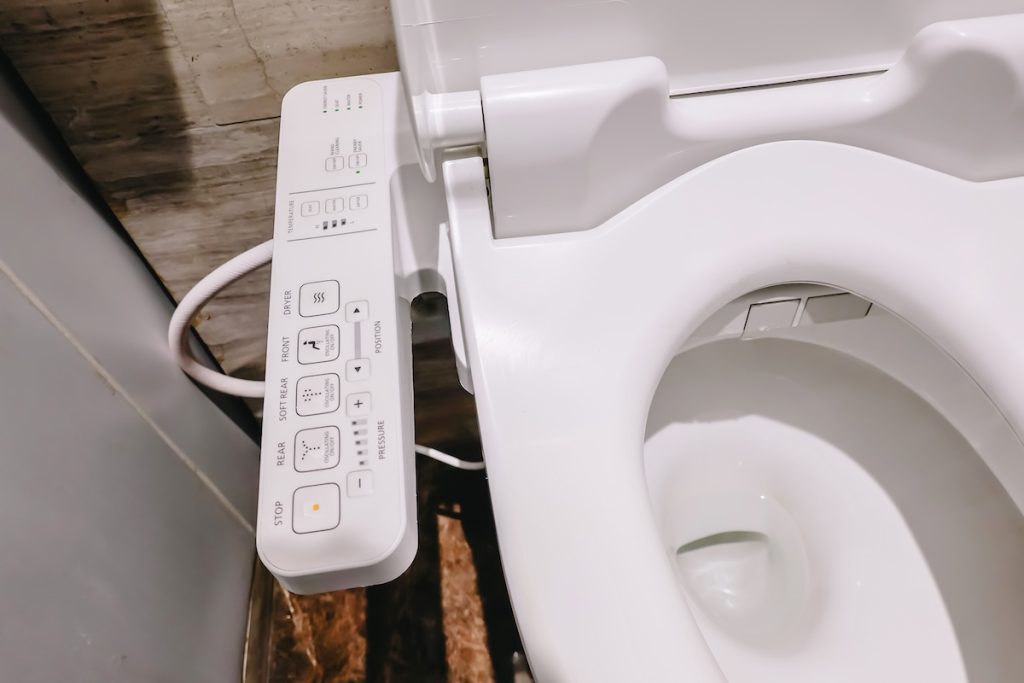
Can installing a bidet be a reasonable modification for a resident with a disability?
The answer is potentially yes. However, a bidet reasonable modification request requires an individualized review. A bidet installation changes the physical features of a dwelling. Therefore, it may qualify as a reasonable modification under fair housing law.
However, housing providers should not automatically approve or deny every request. Instead, management should determine which federal requirements apply. Then, it should evaluate the resident’s specific request.
HUD and the Department of Justice describe a reasonable modification as a structural change to existing housing. The change must be necessary for a person with a disability to fully enjoy the premises. That framework can apply to many bathroom modifications, including some bidet installations.
Bidet reasonable modification requests require individual review
Housing providers should first determine whether the requested change relates to the resident’s disability. The resident does not necessarily need to use specific legal terminology. Instead, the request should communicate that a physical change is needed because of a disability-related limitation.
Management may need additional information when the disability or connection to the request is not obvious. However, housing providers should avoid requesting unnecessary medical details.
Next, management should consider the proposed installation itself. For example, some bidets attach directly to an existing toilet seat. Others require electrical work, plumbing changes, or permanent fixtures. Those differences matter. A housing provider may reasonably evaluate whether:
- The installation is technically feasible.
- Plumbing systems can support the proposed equipment.
- Electrical modifications are required.
- Building permits are necessary.
- A licensed contractor must perform the work.
- Installation could damage the dwelling or building systems.
These considerations should focus on the actual proposed modification. They should not automatically become a reason to reject a disability-related request. HUD and DOJ guidance emphasizes that reasonable modification questions depend on individual facts and circumstances.
For example, a simple nonpermanent toilet attachment may present different concerns than a permanently installed bidet. Therefore, property staff should understand exactly what the resident is requesting before reaching a decision.
Who pays for a bidet reasonable modification?
Payment responsibility can depend on which federal laws cover the property. Under the Fair Housing Act, residents generally pay for reasonable physical modifications to their dwelling. HUD and DOJ guidance explains that housing providers must permit qualifying modifications. However, tenants generally bear the installation cost under the Fair Housing Act.
Federally assisted housing can be different. Housing receiving federal financial assistance may also be subject to Section 504 of the Rehabilitation Act of 1973. Under HUD’s Section 504 regulations, necessary structural changes can be treated as reasonable accommodations. In those circumstances, the housing provider may be responsible for the cost.
However, exceptions can apply. HUD and DOJ guidance states that a provider may not have to make a structural change when it creates an undue financial and administrative burden. A fundamental alteration of the program can also affect the analysis. Therefore, staff should not assume that every resident must pay for a bidet installation.
Likewise, they should not assume the housing provider must always pay. The property’s funding, applicable law, and requested modification all matter. Properties subject to multiple federal requirements should evaluate the request under each applicable standard.
Bidet reasonable modification requests should follow an established process
A resident should generally submit the request to property management. If the property has a designated Section 504 coordinator, that person may also be involved. Property staff should then follow the organization’s established reasonable accommodation and modification procedures. The process should focus on the resident’s disability-related need and the proposed solution.
Management should also document its review. Documentation can include:
- The date the request was received.
- The physical modification requested.
- Any necessary supporting information.
- Technical or safety concerns reviewed.
- Applicable fair housing requirements.
- The decision and any approved conditions.
A housing provider may also discuss alternatives when the original proposal presents legitimate problems. For instance, a different bidet model could potentially meet the same disability-related need. The goal should be an effective solution rather than a one-size-fits-all answer.
Importantly, a request should not be denied simply because bidets are not normally provided. Fair housing laws focus on equal opportunity for people with disabilities. HUD notes that people with disabilities may request reasonable accommodations or modifications necessary to use and enjoy their housing. That principle applies even when the requested feature is unusual.
What should owners and agents remember?
A bidet request is ultimately a reasonable modification question, not a plumbing preference question. The first question should not be, “Do we allow bidets?” Instead, management should ask whether the requested physical change is connected to a disability-related need.
Then, staff should determine which legal requirements apply. They should also evaluate installation, safety, feasibility, and responsibility for costs.
Most importantly, each request should receive an individualized review. Housing providers should avoid blanket policies stating that all bidets are permitted or prohibited. A policy like that could prevent proper consideration of a disability-related request.
Owners and agents should also make sure staff understand the difference between a reasonable accommodation and a reasonable modification. An accommodation usually changes a rule, policy, practice, or service. A modification generally involves a physical change to the dwelling or common area. However, Section 504 terminology and obligations can differ for federally assisted properties.
That distinction becomes especially important when determining who pays.
For additional guidance, review the HUD and DOJ Joint Statement on Reasonable Modifications under the Fair Housing Act. HUD and DOJ Reasonable Modifications Guidance
You can also review HUD’s resources for housing providers and people with disabilities. HUD Disability Housing Resources