An effective CDBG program uses federal funds to create real changes in the community. It brings together local needs, compliance, clear steps, and measurable results. For city leaders, Community Development Block Grant funds are more than just money—they help support housing and serve residents.
Local governments often ask a simple question. What makes a CDBG program good and efficient?
The answer starts with alignment. A good program connects eligible activities with real community needs. An efficient program moves that work forward with strong administration. Together, those two pieces help cities turn planning into progress.
CDBG can help with many community needs, like fixing up housing and making neighborhoods better. The best programs don’t just do projects to stay busy. Good CDBG programs focus on results that residents can see and understand.
Key Takeaways
An effective CDBG program connects federal funding to real community needs.
Strong administration helps cities protect funding and keep projects moving.
Efficient CDBG programs measure more than spending. They track results that residents can see.
At Navigate Affordable Housing Partners, we believe community development works best when it’s practical. Funding alone doesn’t create impact. Real results come when funding is planned, managed, tracked, and delivered effectively.
An Effective CDBG Program Starts With Clear Local Priorities
A good CDBG program starts with understanding what the community needs most. Cities know their own neighborhoods—they see old housing and know the people who need extra help. Leaders are well aware of the areas that need new investment.
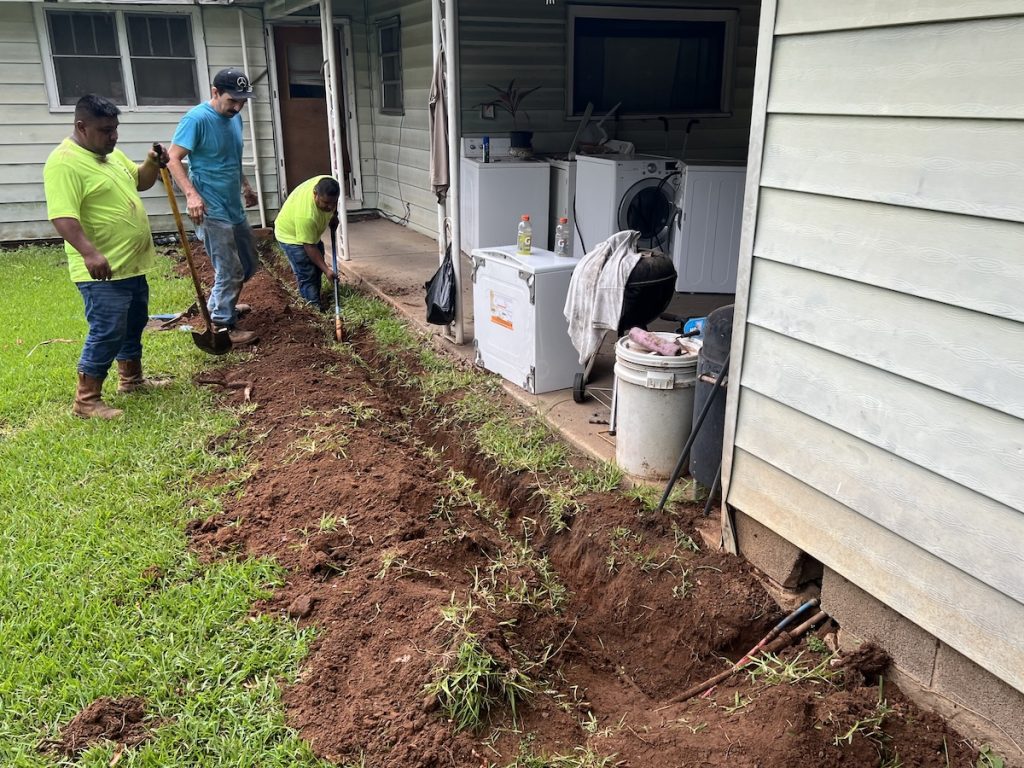
However, knowing the need is only the first step. Local governments must connect those needs to eligible activities and move from a broad concern to a workable program. For example, if a city sees unsafe housing as a big problem, older homeowners might need roof repairs or plumbing work. When these activities meet program rules, CDBG funds can help preserve housing.
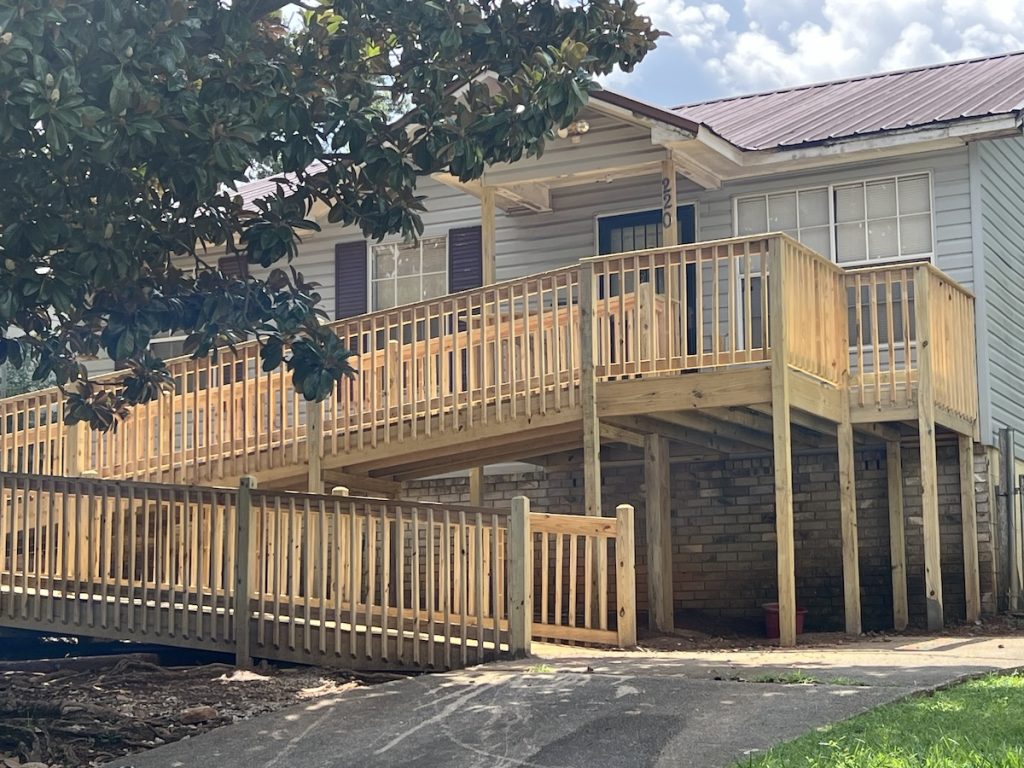
This type of work makes a real difference. In many places, preserving homes is one of the most practical ways to support affordable housing. Fixing a home can help someone stay safe where they live and keep neighborhoods stable.
Good CDBG planning also needs input from the public. Every stakeholder can help spot what’s missing. Still, input must lead to action. A strong program turns community feedback into priorities and measurable goals. That structure helps everyone understand what the program is designed to accomplish.
The strongest local priorities are specific enough to guide action. At the same time, they need to be flexible enough to respond to real conditions. That balance helps cities avoid scattered spending and delayed implementation.
A good CDBG program asks practical questions:
Who needs help most?
Which activities qualify?
What results can we measure?
How will this work make the community better?
Those questions keep the program focused and help cities explain why certain projects moved forward.
An Effective CDBG Program Depends on Strong Administration
A good CDBG program is not just about choosing the right projects. It is also about managing the work well from the beginning. That means clear roles, organized files, steady communication, and a process everyone understands before the work begins.
CDBG programs come with important requirements. Cities must document eligibility, follow procurement rules, track spending, and maintain records. Those steps may feel technical, but they matter because they help ensure public dollars are used fairly, correctly, and effectively. Compliance should not be treated as a separate task. It is part of the impact. When documentation is clear and workflows are strong, projects can move forward with more confidence. When the process is unclear, even good projects can stall.
That is why efficient CDBG administration starts early. Cities should know who is handling applications, eligibility reviews, procurement, contractor communication, payments, reporting, and closeout.
Good documentation also tells the story of the work. Income records, project files, inspection notes, payment records, and outcome data all help show how dollars were used and what needs were addressed. This is where compliance builds confidence.
CDBG by the Numbers
CDBG programs support housing, public services, public improvements, and economic development. National FY2025 CDBG accomplishment data shows the scale of that work.
CDBG impact area
FY2025 reported result
Households assisted through housing activities
86,592
People benefitting from public services
9,251,895
People with public services available in their area
26,915,115
People benefitting from public improvements
2,357,951
People with public improvements available in their area
30,486,975
Jobs created or retained
11,668
Source note: Data reflects selected FY2025 CDBG accomplishments reported by grantees in HUD’s Integrated Disbursement and Information System.
These numbers show why strong CDBG administration matters. When cities plan carefully, document the work, and track outcomes, they can show how federal dollars become visible community results.
CDBG FY2025 National Accomplishments
87K
Households assisted through housing activities
9.2M+
People benefitting from public services
2.3M+
People benefitting from public improvements
An Efficient CDBG Program Measures What Residents Can See
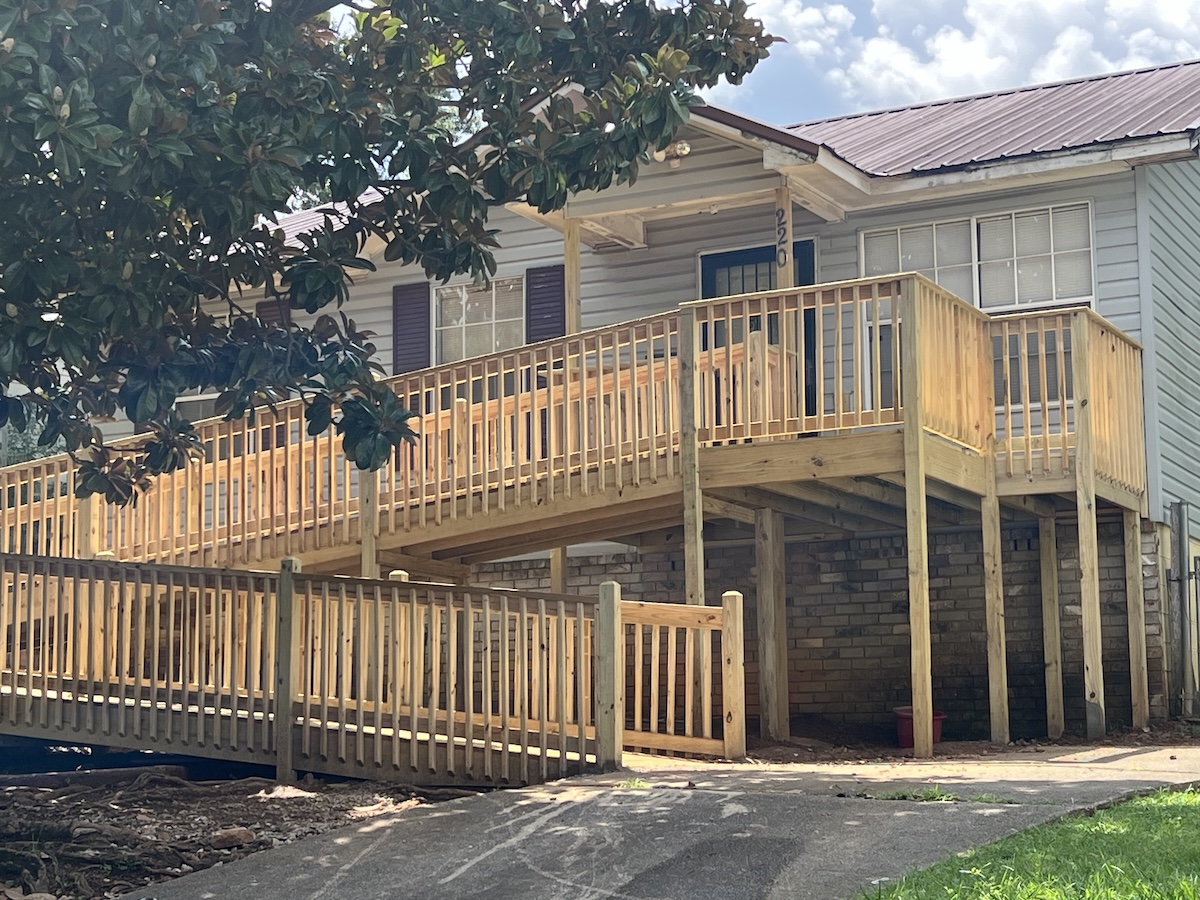
An efficient CDBG program also measures more than dollars spent. It tracks progress residents can see, such as homes repaired, households served, facilities improved, projects completed, and neighborhoods supported. Still, the numbers should connect back to people. A completed repair may help a senior homeowner stay safe. An accessibility improvement may help a resident remain independent. A stronger public facility may help a neighborhood access needed services.
At Navigate, we believe community development should be practical, accountable, and people-focused. CDBG dollars are powerful because they can meet communities where they are. However, the true impact comes from how those dollars are planned, managed, documented, and delivered. Local governments turn CDBG dollars into real impact when they connect funding to need, manage the details, and measure the results. That is what makes a CDBG program good. That is also what makes it efficient.
A completed repair may help a senior homeowner stay safe. An accessibility improvement may help a resident remain independent. A stronger public facility may help a neighborhood access needed services.
Frequently Asked Questions About Effective CDBG Programs
What makes a CDBG program good?
A good CDBG program connects federal funding to real community needs. It also has clear priorities, eligible activities, strong documentation, and measurable results.
What makes a CDBG program efficient?
An efficient CDBG program uses clear roles, organized records, timely communication, and consistent workflows. These steps help projects move from planning to completion.
How can local governments improve CDBG administration?
Local governments can improve CDBG administration by reviewing eligibility early, documenting decisions, tracking spending, and setting clear responsibilities before work begins.
Why does CDBG compliance matter?
CDBG compliance helps protect public funds. It also helps cities show that dollars were used fairly, correctly, and for eligible community needs.
How do cities measure CDBG impact?
Cities can measure CDBG impact by tracking completed projects, households served, homes repaired, facilities improved, funds spent, and outcomes residents can see.
GET IN TOUCH
Need a Partner to Move Housing Work Forward?
Let’s talk about how Navigate can support your city, agency, or community development program.