Section 8 Is Not One Single Program
When families search for Section 8 housing, they often see different program names. Two common terms are PBRA and Housing Choice Vouchers (HCV). They are both connected to Section 8, but they do not work the same way.
Navigate Affordable Housing Partners works in the Project-Based Rental Assistance (PBRA) program as a HUD Performance-Based Contract Administrator, also called a PBCA. Navigate does not administer HCV. Local public housing agencies manage those voucher programs.
PBRA vs Vouchers: What Is PBRA?
PBRA stands for Project-Based Rental Assistance. This assistance is tied to specific units at specific properties with HUD contracts.
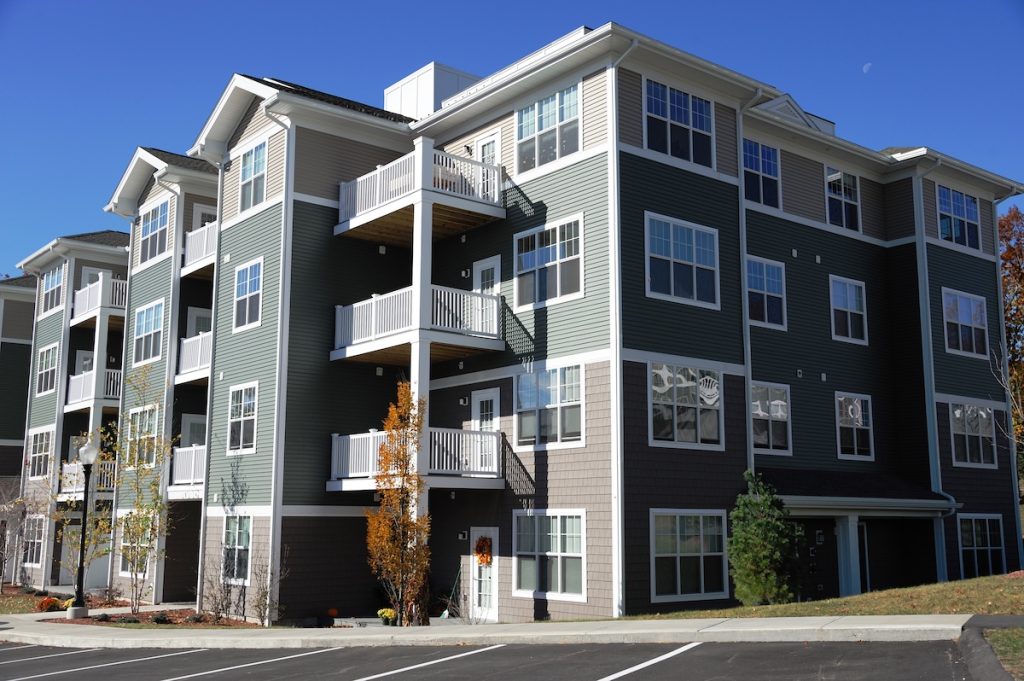
For families, that means the rental help is connected to the apartment. If a household moves out, the assistance stays with the unit, allowing another eligible household to move into that assisted apartment. PBRA properties are usually privately owned or nonprofit-owned affordable housing properties. Owners and agents manage daily property operations, process resident paperwork, and follow HUD requirements.
Navigate’s PBCA role supports HUD’s oversight of PBRA contracts. This work includes compliance monitoring, contract administration, rent adjustments, contract renewals, voucher processing, and resident concern support.
Families living at PBRA properties usually work directly with the property management office. That office can answer questions about applications, eligibility paperwork, income reviews, rent calculations, and lease requirements. However, residents may also have rights and options when serious concerns remain unresolved.
PBRA vs Vouchers: What Are Housing Choice Vouchers?
Housing Choice Vouchers are often called HCVs. Many families also call them Section 8 vouchers. With an HCV, rental assistance is connected to the household. A family may search for a qualifying unit in the private rental market. The unit must meet program rules, and the landlord must agree to participate.
Local public housing agencies administer Housing Choice Voucher programs, manage applications and waiting lists, and meet other HUD requirements.
Why the Difference Matters for Families
The difference between PBRA and vouchers can affect where a family applies.
- If a family wants to live at a specific affordable housing property, they may need to contact that property directly. The property may have its own application process or waiting list.
- If a family wants a Housing Choice Voucher, they must apply through a local public housing agency. Waiting lists may open and close based on local demand. Some areas have long waits.
The difference also affects what happens when a family moves. In PBRA, the assistance is tied to the unit. A family generally cannot take that assistance to another property. In the HCV program, the voucher may move with the household if program rules are met.
This difference also matters for scam prevention. Scammers often use the phrase “Section 8” because families recognize it. They may promise fast approval, guaranteed placement, or special access to a waiting list. They may also ask for an application fee. With that in mind, families should be careful. Before sharing personal information, families should verify the source. They should also confirm whether they are applying for a property-based unit or an HCV.
Please visit our scam-alert page, which also warns about fake websites, fake waiting lists, and fake fees.
How to Know Who to Contact
The right contact depends on the type of housing assistance.
- For PBRA properties, contact the property management office first. The office should provide information about applications, availability, eligibility, income reviews, and lease requirements.
- For Housing Choice Vouchers, contact the local public housing agency. The PHA manages voucher applications, waiting lists, eligibility, and voucher rules.
- For general housing searches, families can also use official, trusted resources such as the HUD Resource Locator. Navigate’s affordable housing resource page connects people to official tools for Section 8 applications, low-income apartments, public housing waiting lists, and housing counselors.
- For scam concerns, use Navigate’s scam-alert page. It explains red flags and encourages families to verify official sources before paying fees or sharing sensitive information.
- For residents at PBRA properties in Navigate’s portfolio, Navigate’s resident concerns resources may help. These resources can guide residents when serious property concerns need attention.
The most important step is to slow down before applying. A real housing resource should clearly explain who manages the program, how the application process works, and whether a fee is required.
Families should never feel pressured to pay quickly for Section 8 access.
Frequently Asked Questions – Housing Scams
No. Be cautious of anyone requesting payment for guaranteed voucher approval, waiting-list access or housing placement.
Housing Choice Vouchers are administered by local Public Housing Agencies (PHAs) under HUD.
HCV is tenant-based assistance that families use in the private market and PHAs administer.
PBRA is project-based assistance tied to specific units under HUD contracts.
No. Navigate does not issue Housing Choice Vouchers or manage HCV waiting lists.
Use official sources, check the URL carefully, and avoid sites asking for payment or sensitive information outside normal processes.
Frequently Asked Questions – What is a PBCA?
PBCA stands for Performance-Based Contract Administrator.
A PBCA performs contract-administration responsibilities for certain HUD Project-Based Section 8 or Project-Based Rental Assistance contracts.
No. Housing Choice Vouchers are administered by local public housing agencies. A PBCA does not issue vouchers, manage HCV waiting lists or approve portability requests.
Depending on the assigned contract and issue, owners and agents may communicate with a PBCA about contract renewals, rent adjustments, required submissions, monitoring and other contract-administration matters.
Residents should generally contact property management first for routine property concerns. If a PBRA concern remains unresolved at the property level, residents may contact the appropriate PBCA. Questions about Housing Choice Vouchers should go to the local public housing agency.