Healthy housing priorities that strengthen resident stability
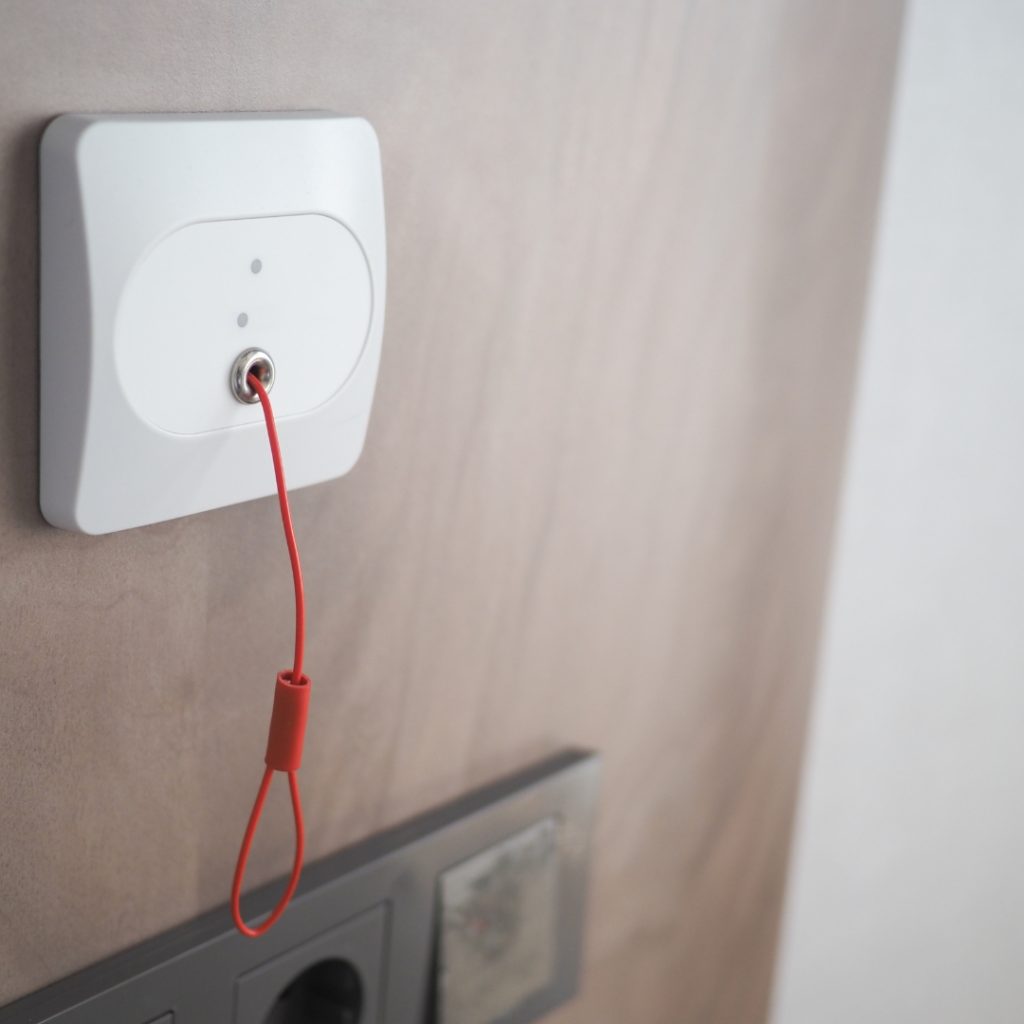
Healthy housing priorities like moisture control and ventilation reduce disruption and strengthen resident stability.

Affordable Housing Month is also about what keeps housing stable after move-in—and these basics are a big part of it. Healthy housing priorities influence resident stability more than many people realize. Health issues disrupt work and school. At the same time, maintenance crises disrupt routines. In the end, stress rises when living conditions feel uncertain.
However, stability grows when housing feels safe, predictable, and well-maintained. Healthy housing doesn’t require luxury. It requires consistent prevention and a fast response.
The strongest approach starts with the risks that create the most disruption: moisture, pests, air quality, and safety hazards.
The priorities that matter most
- Moisture control should sit at the top. Small leaks turn into big repairs. Mold concerns escalate quickly. Humidity problems often signal ventilation gaps. Early action prevents expensive remediation and resident displacement.
- Ventilation matters because air quality affects comfort and health. Bathrooms, kitchens, and laundry areas need working exhaust. HVAC filters need scheduled replacement. Residents need clear guidance on reporting issues early.
- Integrated pest management protects stability, too. Pests create anxiety and stigma. Quick response and consistent prevention protect residents and staff. Waste management, sealing gaps, and coordinated treatment reduce repeat infestations.
- Safety hazards must stay visible. Trips, falls, missing railings, broken lights, and blocked exits create immediate risk. A predictable inspection routine prevents preventable harm.
- Communication also supports health. Residents should know how to report issues, what to expect next, and how long repairs may take. Clear communication reduces stress and improves cooperation.
Key Takeaways
- Moisture control prevents mold escalation and expensive disruption.
- Ventilation and filter routines improve comfort and indoor air quality.
- Integrated pest management reduces anxiety and repeat infestations.
- Predictable safety checks prevent avoidable hazards and injuries.
- Clear repair timelines and resident communication lower stress and improve cooperation.
Healthy housing priorities for seasonal planning
Healthy housing priorities change slightly by season. Spring and summer require moisture and pest vigilance. Fall and winter require a heating and ventilation focus. A seasonal checklist keeps teams proactive.
A monthly walk-through helps catch patterns. Entry points, trash areas, and common spaces reveal early warning signs. Repeats should trigger root-cause action, not repeated patching.
Healthy housing priorities that support resident routines
Healthy housing priorities protect routines. Predictable maintenance reduces emergency disruptions. Fast repairs reduce time away from work. Clear timelines reduce anxiety. Stability improves when households feel heard and informed.
Prevention reduces disruption
Healthy housing strengthens resident stability because prevention reduces disruption. Small actions create big comfort. Consistent priorities protect families and preserve properties.
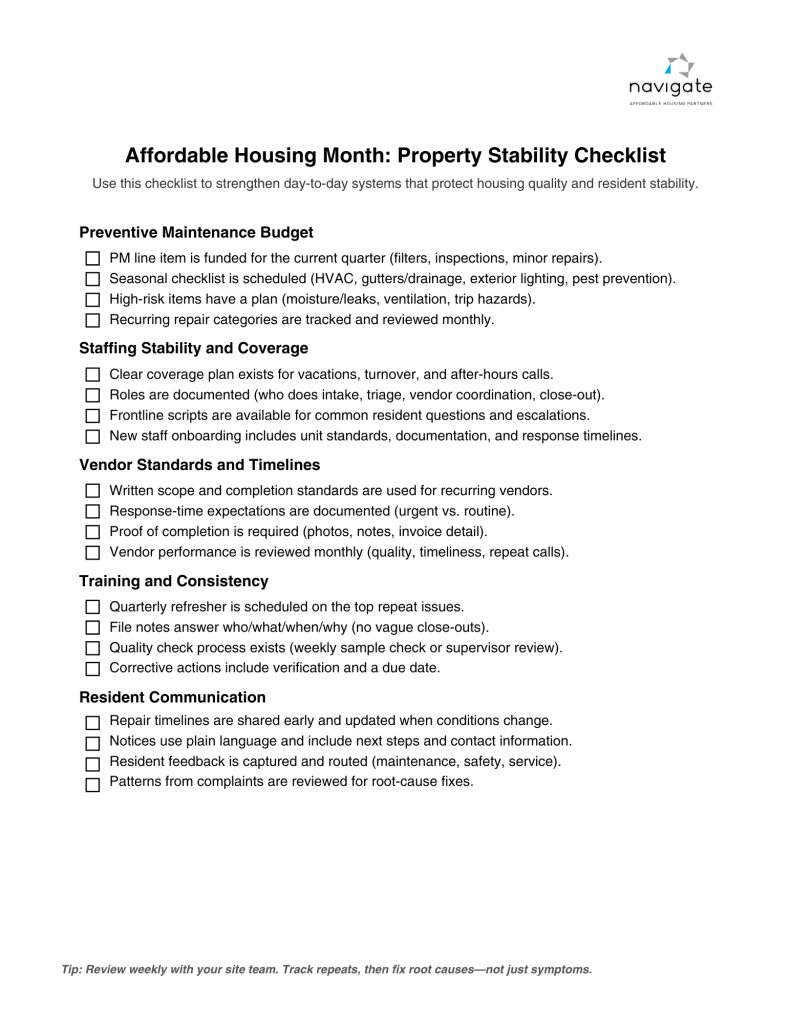
Download: Property Stability Checklist
Print it for your maintenance huddle or supervisor walk. Track repeats, then fix root causes—not just symptoms.