

Turning April Momentum Into Year-Round Practice
Healthy Homes Month may end on the calendar, but the work should continue in daily property operations.
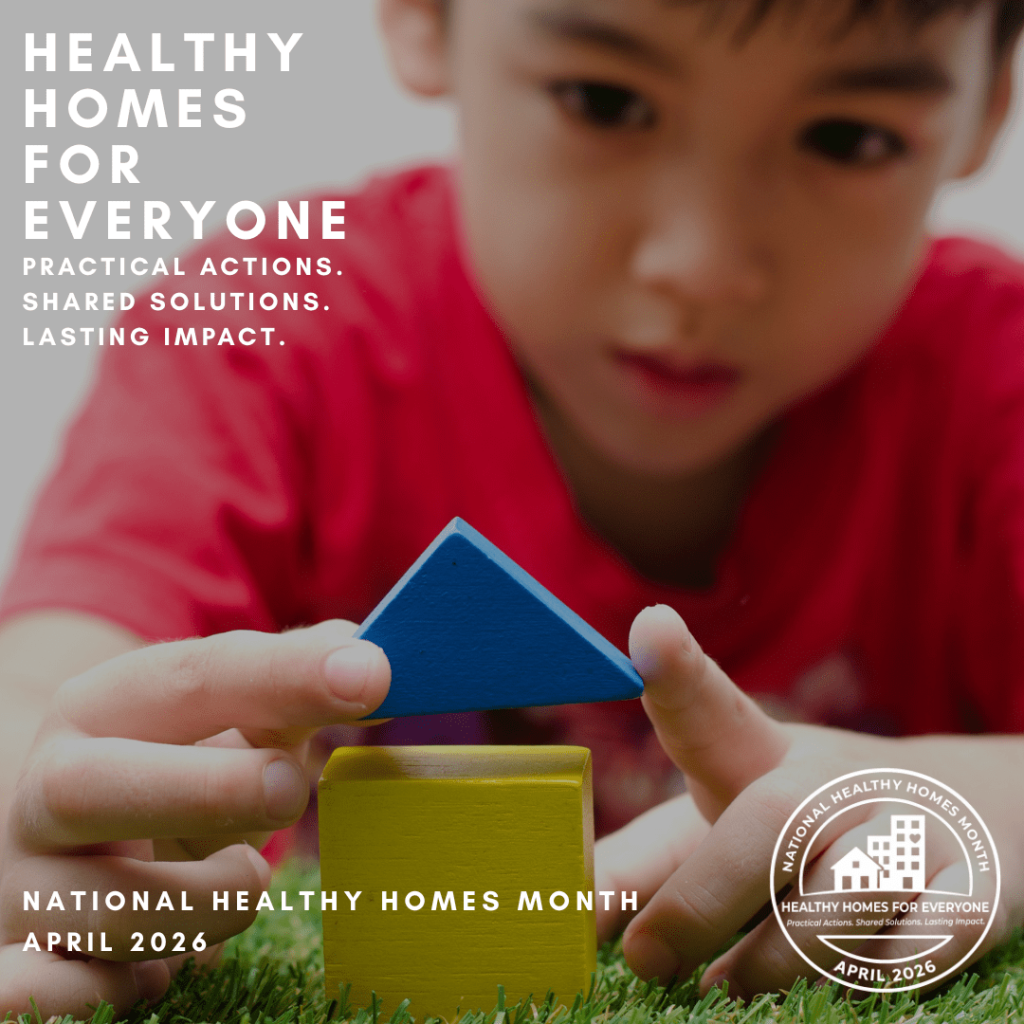
As April comes to a close, Healthy Homes Month offers one more useful message: the calendar may shift, but the work continues. The National Center for Healthy Housing describes April as a month “to educate, raise awareness, motivate action, and build partnerships around healthier home environments.” That purpose should not end on the last day of the month. Instead, Healthy Homes Month can serve as the launch point for stronger year-round practice.
For affordable housing organizations, healthy homes work succeeds when it becomes routine. It cannot depend solely on a special campaign or on a single annual reminder. Residents need housing that supports health every day. Teams need systems that make it easier to prevent issues, identify risks early, and respond with consistency. Therefore, the most important question at the end of April is not whether we posted about healthy homes. It is whether we changed anything that will still matter in May, June, and beyond.
Even small changes can have a meaningful effect when they become consistent habits. Better checklists, stronger communication, faster escalation of moisture complaints, and more visible resident education can all support healthier homes over time.
What we should learn this month
Healthy Homes Month should leave teams with a clearer understanding of the connection between housing conditions and resident outcomes. That means recognizing that leaks are not only maintenance issues. Poor ventilation is not only a comfort issue. Pest activity is not only a nuisance issue. Trip hazards are not only a housekeeping issue. These conditions affect daily life, safety, and health. When teams see them through that wider lens, response becomes more intentional.
The month should also leave behind stronger cross-department coordination. Property management, maintenance, inspections, resident services, and leadership all touch healthy homes work. If departments are not aligned, important issues can be delayed or misunderstood. However, when teams share language, priorities, and escalation pathways, residents are more likely to receive timely and effective support.
Finally, Healthy Homes Month should leave behind practical tools. That may include a property walk checklist, a resident handout, a communication template, or a short set of talking points for staff. Durable tools are what help awareness become action.
How to carry Healthy Homes Month into daily operations
One practical strategy is to choose a small set of health-related indicators to watch every month. You might track recurring moisture complaints, repeat pest treatments, ventilation issues, or safety-related work orders. The goal is not to build a complicated reporting system. The goal is to notice patterns early enough to intervene before a minor issue grows into a larger one.
Another strategy is to keep resident communication simple and ongoing. Residents should know how to report concerns and which conditions matter. They should also understand that reporting a problem is helpful, not bothersome. Trust grows when residents believe concerns will be taken seriously and addressed with respect.
Leaders can also use post-April staff meetings to reinforce the principles discussed during Healthy Homes Month. Brief reminders matter. A five-minute conversation about leaks, ventilation, or hazard prevention can keep the topic visible. Over time, that visibility can improve both response quality and team culture.
This month is a starting point, not a finish line
NCHH’s 2026 theme emphasizes practical actions, shared solutions, and lasting impact. That is a helpful frame for ending the month well. Practical actions are the small steps teams can actually sustain. Shared solutions recognize that healthier housing requires coordination. Lasting impact reminds us that the purpose is not activity for activity’s sake. The purpose is to improve living conditions for residents and strengthen housing systems overall.
Encourage teams to ask one honest question: What will we continue after April ends? The answer does not need to be dramatic. It just needs to be real. Perhaps your team will respond faster to moisture complaints. Perhaps you will update a resident handout. Perhaps you will add a healthy homes check to monthly walks. Those are meaningful next steps.
Healthy Homes Month is worth celebrating because it highlights an issue that deserves attention year-round. Use this final April message to reinforce the lesson that housing quality and health are connected every day. Then keep the momentum moving. Residents benefit most when awareness leads to action and action becomes routine.

