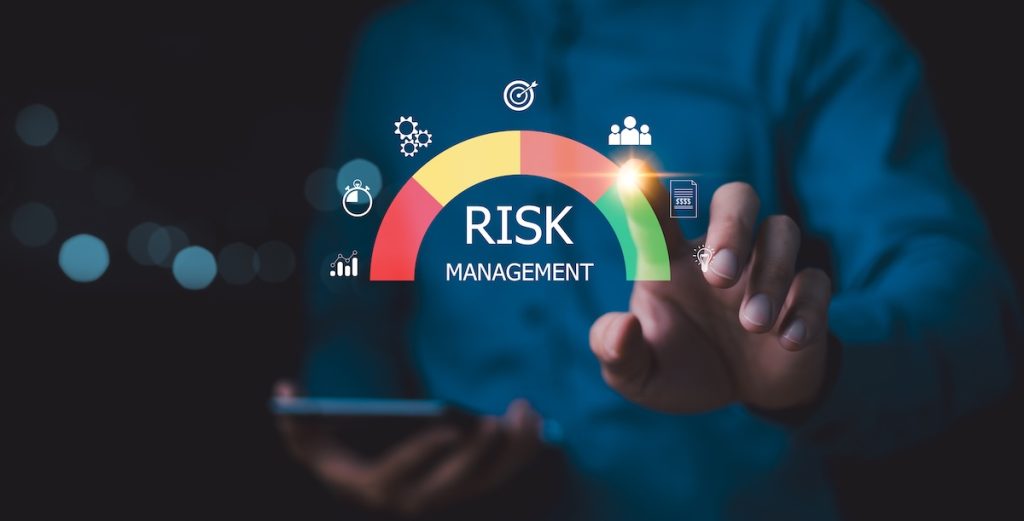
Risk-based monitoring has become the language of modern federal oversight. Agencies face increasing scrutiny, tighter performance expectations, and more complex portfolios. At the same time, resources are finite. Consequently, oversight models that prioritize risk—rather than treating every asset and process as equal—are now central to program integrity.
In federal housing programs, risk-based monitoring is also a signal of maturity. It reflects a disciplined approach to compliance, documentation, and performance outcomes. It also aligns naturally with PBCA-aligned oversight models, where monitoring is not an occasional event, but a structured practice that improves results over time.
Navigate has spent decades in this environment. We have seen how risk-based monitoring supports consistency, reduces disruption, and strengthens confidence in federally funded housing initiatives.
Why risk-based monitoring matters in federal housing
In practice, risk-based monitoring is not just a method. It is an accountability posture. This posture demonstrates that an organization understands where exposure lives—whether in tenant eligibility documentation, inspection-related records, payment integrity, or management practices. It also shows that oversight is structured to protect public funds, residents, and outcomes.
For procurement audiences, risk-based monitoring communicates readiness. It implies a documented approach, defined deliverables, and the ability to report results in a way that supports oversight decision-making. For program operators, it means clarity: monitoring expectations are predictable, standards are consistent, and corrective actions are trackable.
This matters because federal programs do not reward ambiguity. They reward evidence. They also reward the ability to demonstrate program integrity through consistent documentation and performance metric reporting.
Risk-based monitoring and “program integrity” as a performance outcome
Program integrity is often referenced as a goal. However, in federal oversight, it functions as an operational standard. It is demonstrated through compliance monitoring, findings documentation, corrective action tracking, and closure validation. In addition, it shows up in how quickly issues are identified, how clearly they are documented, and how reliably they are resolved.
In HUD-assisted environments, risk-based monitoring often intersects with familiar oversight terms. These include tenant file compliance review, MOR support, HQS oversight documentation, and HAP payment accuracy validation. When organizations speak this language clearly, their work becomes easier to evaluate, easier to audit, and easier to scale.
Navigate’s work emphasizes performance-based monitoring frameworks that strengthen oversight without creating unnecessary friction. We focus on clarity, documentation integrity, and measurable outcomes that agencies can defend.
How Navigate supports risk-based oversight
Navigate supports risk-based monitoring through federal housing program compliance services designed for real-world conditions. Our approach aligns PBCA experience with scalable methods that travel across programs requiring compliance monitoring, financial integrity, and performance oversight.
That includes regulatory interpretation and guidance aligned to 24 CFR expectations, structured documentation standards, and reporting that supports oversight decisions. It also includes the connective tissue that many organizations struggle to maintain: consistent corrective action tracking, resolution evidence validation, and performance metric reporting that shows progress over time.
The Differentiator
Risk-based monitoring is the direction of federal oversight. It reflects disciplined governance, auditable documentation, and consistent performance. In a procurement environment that increasingly rewards clarity and accountability, it is also a differentiator.
Navigate helps agencies and partners translate risk-based oversight into sustainable program integrity and measurable results—across HUD-assisted portfolios and other federally funded housing initiatives.