Practical Actions That Protect Residents Every Day
Healthy Homes Month is a call to action. Small property practices can support safer, healthier homes for every resident.

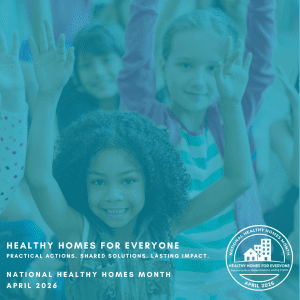
Healthy Homes Month is an important reminder that housing quality and health are deeply connected. This April, housing organizations have a clear opportunity to move beyond awareness and focus on practical action. The National Center for Healthy Housing states that National Healthy Homes Month moved from June to April in 2024. For 2026, NCHH is using the theme “Healthy Homes for Everyone: Practical Actions. Shared Solutions. Lasting Impact.” That message aligns with the daily realities of affordable housing, property management, and community development work.
Healthy homes are not only about a building passing inspection. They are about whether people can live in an environment that supports safety, stability, and well-being. When homes have moisture problems, pests, poor ventilation, tripping hazards, lead risks, or poor indoor air quality, residents feel the effects. Children, older adults, and people with chronic health conditions are often hit hardest. With that in mind, Healthy Homes Month is more than a seasonal campaign. It is a chance to strengthen the link between housing operations and resident health conditions affected by the home environment.
For housing teams, this month should not feel abstract. April is a useful time to reinforce staff awareness, review property conditions, and strengthen coordination on issues affecting housing quality. Healthy homes work happens when staff notice a problem early, respond consistently, and connect everyday maintenance with resident outcomes.
Why healthy homes month matters to resident stability
Residents experience housing quality in simple, concrete ways.
- Does the unit stay dry after a storm?
- Does the bathroom fan work?
- Are pests addressed quickly?
- Is there a safe path to enter and move through the home?
- Can a family open windows, breathe clean air?
- Can residents trust that concerns will be taken seriously?
These are not minor quality issues. They shape whether a home supports dignity and long-term stability.
In affordable housing, healthy homes practices also support stronger operations. Preventive attention can reduce repeat work orders, protect building systems, lower the risk of escalating damage, and build trust with residents. When teams respond early to signs of moisture, mold, leaks, pest activity, or safety hazards, they often prevent a bigger problem later. That matters for budgets, but it also matters for resident health and housing stability.
Healthy Homes Month gives leaders a reason to reframe the conversation. Rather than treating health-related issues as isolated incidents, teams can look for patterns. Are there repeated complaints in certain buildings? Is your staff trained to identify housing-related health risks? Are the resident education materials easy to understand?. Do policies encourage quick reporting and prompt follow-up? April is a strong month to ask those questions and act on the answers.
Practical steps teams can take during Healthy Homes Month
The most useful Healthy Homes Month actions are the ones teams can sustain.
- Start with a focused property walk. Look for moisture intrusion, visible mold, damaged flooring, weak ventilation, unsecured railings, trip hazards, and pest entry points.
- Review response times for work orders that affect health and safety. Are urgent issues being prioritized correctly? Is the documentation clear? Are residents getting simple instructions on what to do while repairs are underway?
- Revisit resident communication. Healthy homes education should be plain and useful. A flyer or post can remind residents to report leaks quickly, keep vents clear, use exhaust fans when available, and notify staff when pests or safety issues appear. It can also explain that healthy homes is a shared responsibility.
Residents should never be discouraged from reporting a concern. Instead, communication should make reporting easier and faster.
This is also a strong time to refresh staff training. NCHH continues to point audiences to the Principles of a Healthy Home and a broad collection of practical resources. Supervisors can use Healthy Homes Month to review how maintenance, inspections, resident services, and leadership all contribute to housing quality. When departments work in isolation, issues fall through gaps. When they work together, practical action becomes a habit.
Healthy Homes Month is about lasting impact
Healthy Homes Month should lead to visible changes, even if those changes are small at first. A better checklist. Faster escalation for moisture complaints. A new resident handout. A property walk focused on preventable hazards. A supervisor conversation that connects building conditions to resident health. These actions may seem modest, but they build momentum. Over time, small improvements strengthen outcomes for residents and teams alike.
The 2026 Healthy Homes Month theme highlights shared solutions and lasting impact. That is a helpful lens for affordable housing providers. No one department can carry this work alone. However, every department can contribute something useful. Leadership can set priorities. Maintenance can identify risks early. Resident services can reinforce communication. Asset managers can connect long-term planning with healthier building conditions. Community development leaders can build partnerships that support broader housing quality goals.
April is a good month to remind ourselves that healthy homes are foundational. Safe, stable, and livable housing supports stronger families and stronger communities. Healthy Homes Month gives us a timely invitation to focus on practical action now, so residents experience lasting impact later. That is work worth doing, and it starts with everyday decisions that move housing quality in the right direction.