What Should You Include?
In this week’s Tuesday Tip, we explore the best practices to keeping a compliant tenant file for HUD.
If you’ve ever been through an MOR, you know how quickly reviewers focus on tenant files.
They don’t expect perfection. They expect clarity. Your file should show what happened with the household. It should show how you qualified them. It should show how you managed their tenancy. When something is missing or unclear, it stands out right away.
So what makes a compliant tenant file? It comes down to one thing. The file tells a clear and complete story.
Start with The Active File
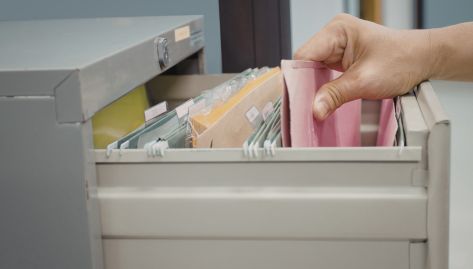
Your active tenant file is the one you use every day. It’s also the one reviewers will ask for. It should cover the full timeline of the household.
At a minimum, your file should include:
- The application and all related documents, including screening, appeals, and correspondence
- Move-in documents like certifications, the lease, addenda, and house rules
- The most recent three full years of certifications
- Supporting documentation tied to those certifications, including EIV
Keep the file focused. Do not overload it.
If a resident has lived at the property for years, archive older certifications. Keep the move-in documents. Keep the most recent three years in the active file. Move the rest out.
Do not destroy those records too early. HUD requires you to keep tenant files for three years after move-out. HUD also requires you to keep applicant files for three years after removal from the waitlist. You can archive files, but you must keep them accessible.
Organization Matters More Than Format
HUD does not require a specific file order. You can set up your files in a way that works for your team.
But your file still needs to work for someone else.
Keep files consistent from tenant to tenant. Organize them in a way that makes sense. Make it easy to find documents. Make it easy to follow the timeline.
Explain anything unusual. Add a short note if needed. Do not make the reviewer guess.
Store sensitive information separately. Keep VAWA documentation in a secure file. Limit access to only the people who need it. Store other records, like maintenance or correspondence, separately if that works for your system. Just make sure you can access them when needed.
Electronic files follow the same rules. Use clear file names. Keep a consistent structure. Protect the data. Follow confidentiality requirements.
At the end of the day, focus on clarity. Your file should show what happened. It should show why decisions were made. It should support every step with documentation.
If someone can open the file and understand the full story without confusion, you have a compliant tenant file.